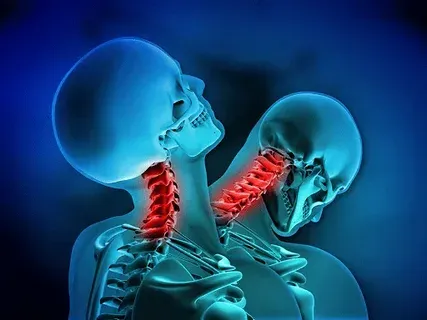
A hit to the head or a sudden jerk of the neck can change the way your whole body feels. You might walk away thinking you only suffered a concussion, or only whiplash, but the truth is that head and neck injuries often overlap. What seems like “just a concussion” may actually involve the upper neck, and that part of the injury is usually overlooked.
At Lifeline Chiropractic, Dr. Stein studies the upper cervical spine because it frequently holds the key to lingering concussion symptoms, post-concussion syndrome, and long-running discomfort after whiplash.
People expect a concussion to cause headaches or fogginess. What surprises them is how often the neck is behind their symptoms. Even a mild impact can shift the top of the spine, and once that happens, nerves, balance, and circulation are all affected.
You might notice:
Sudden bouts of dizziness or imbalance
Neck stiffness that feels worse in the morning
Pressure at the base of the skull
Muscle spasms that spread into the shoulders
Trouble focusing or difficulty staying alert
Sleep that doesn’t feel refreshing
Tingling or numbness into the arms
Concussion vs. Whiplash: Why They Feel the Same
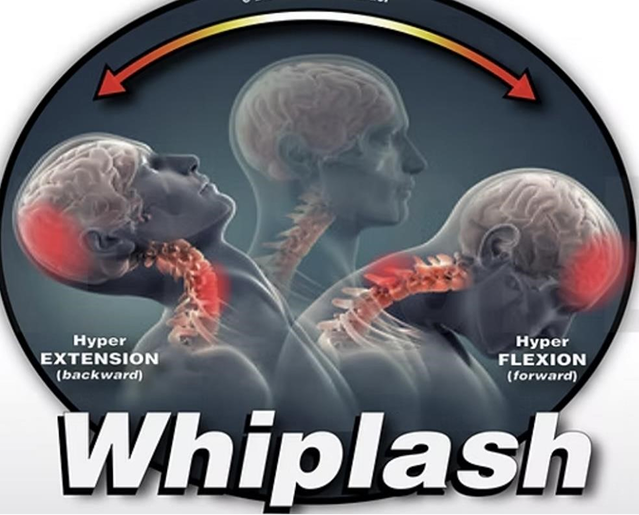
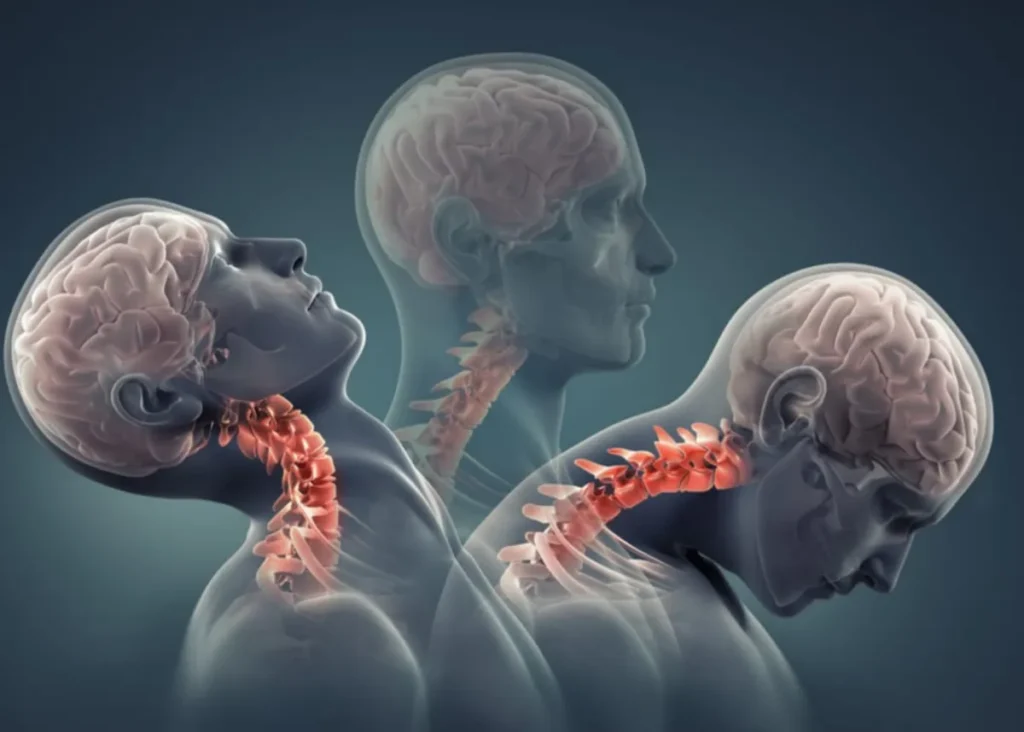
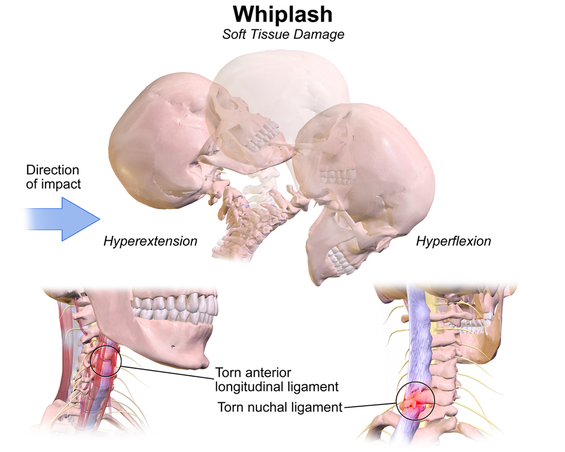
A concussion affects how the brain functions. Whiplash affects how the neck supports the head. In real life, the two injuries often happen together, which is why people get stuck in the same cycle of headaches, tightness, fatigue, and irritation.
Many patients search whiplash vs concussion hoping for simple differences. The reality is that both can cause:
Imbalance
Head pressure
Neck pain
Visual strain
Slow thinking
Heavy fatigue
This is why focusing only on the head or only on the neck rarely works. The two systems rely on each other.
What Happens Inside the Upper Neck After an Injury
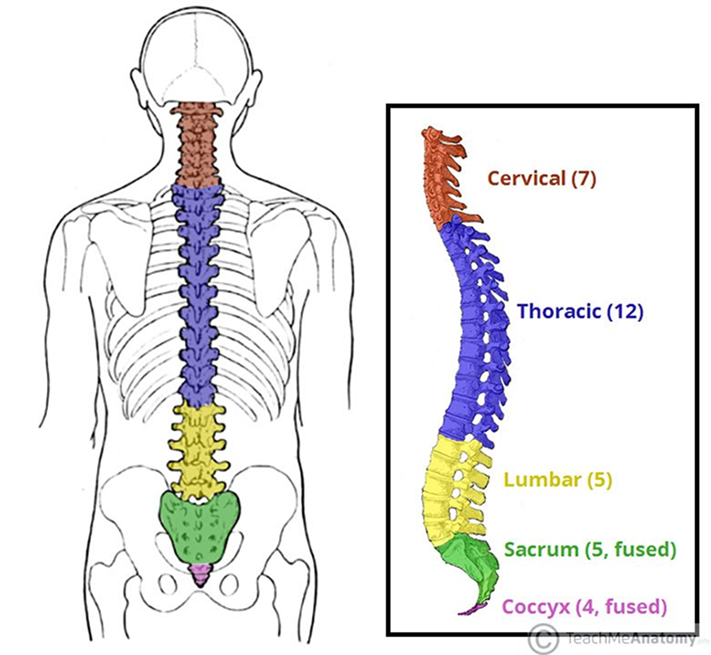
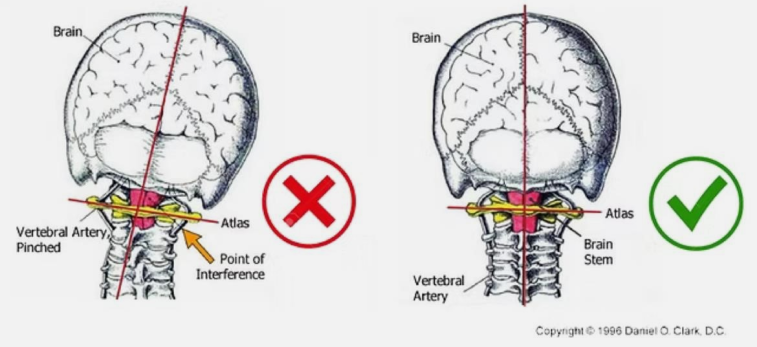
The top of the neck guides blood flow, nerve communication, and even the body’s sense of position. When this area changes alignment due to a fall or collision, the body shifts into compensation mode.
Here is what Dr. Stein often finds during exams:
A rotated Atlas that forces the head to sit slightly off-center
Muscles working harder to stabilize the neck, causing spasms
Nerves that become irritated from subtle joint pressure
Changes in blood and cerebrospinal fluid flow that affect clarity and comfort
These patterns explain why concussion symptoms sometimes drag on for weeks or months. The brain and neck must heal together, not separately.
How Dr. Stein Evaluates Head and Neck Injuries
Instead of guessing what is wrong, Dr. Stein uses upper cervical imaging to study how the Atlas shifted during the impact. This gives him a three-dimensional understanding of the injury.
The evaluation includes:
Detailed history of the accident
Balance and neurological checks
Upper cervical X-rays
Movement tests for the head and neck
The Correction Process
The correction is gentle. A small instrument applied a precise adjustment based on your imaging.
Patients often describe a subtle release or a slight change in how their head feels. Over time, as alignment holds, the body relaxes, and symptoms begin to fade.
Conditions That Improve With Upper Cervical Care
Dr. Stein works with people recovering from: Concussion
Post-concussion syndrome
Whiplash
Head and neck injuries from car accidents
Sports impacts
Muscle spasms following sudden movement
Persistent imbalance
Recurring headaches linked to misalignment
What Recovery Feels Like
Healing from a head or neck injury rarely happens in a straight line. Some days feel better. Others feel frustrating. What matters most is restoring balance to the area that guides your body’s entire sense of motion.
Many people notice:
Less pressure at the base of the skull
Deeper breaths
Better focus
Fewer sharp neck movements
More confidence in their balance
Decreased muscle spasms
These improvements show that the nervous system is calming and the body is reorganizing itself in a healthier way.
Why Patients Choose This Type of Care
Accurate Answers
Upper cervical imaging allows for precise corrections instead of generalized adjusting.
Patient-Focused Treatment
The technique is designed for sensitive injuries like concussion and whiplash. It is comfortable and predictable.
Long-Term Stability
Once the upper neck stabilizes, the body is able to recover without constant setbacks.
FAQs
Can upper cervical care help with concussion symptoms?
It often can, especially when neck alignment is contributing to the issue.
Is this the same as regular chiropractic?
No. The focus is on the top of the spine, and the correction is gentle and targeted.
How do I know if my symptoms are coming from my neck?
The exam will show it clearly. Many concussion symptoms overlap with upper cervical injury signs.
How to fix neck pain causing headaches?
The exam will show it clearly. Many concussion symptoms overlap with upper cervical injury signs.
Can this help if I still feel off weeks after the accident?
Yes. Delayedsymptoms are common when the neck heals out of alignment.
Is the correction safe?
Yes. The process is light, controlled, and based entirely on your imaging.