
Lower Back Pain Care
Home / Lower Back Pain Care
Lower Back Pain Care
Lower back pain is one of the most common reasons people seek conservative care. It can come from an obvious strain or appear gradually after weeks or months of sitting, working or training with subtle compensations. Whatever the cause, the lower spine responds best when the problem is evaluated carefully, not guessed at. Dr. James Stein approaches low back pain with that mindset: understand the mechanics first, treat with precision, and track progress in a clear, practical way.
Understanding Lower Back Pain and Why It Persists
Most people describe their symptoms the same way: stiffness that doesn’t loosen, sharp discomfort when bending, or a tired, heavy feeling across the lower spine at the end of the day. These symptoms often come from predictable patterns:
- Back muscles working harder than they should
- Small restrictions in the joints of the lower spine
- Weak or under-recruited hip and core muscles
- Postural habits that place extra load on the lumbar region
Because these issues build slowly, patients often ask “why does my lower back hurt if nothing major happened?” The answer is usually mechanical: the spine has been compensating for longer than they realized. A detailed evaluation helps identify which part of the movement chain is failing and why the low back is absorbing the stress.

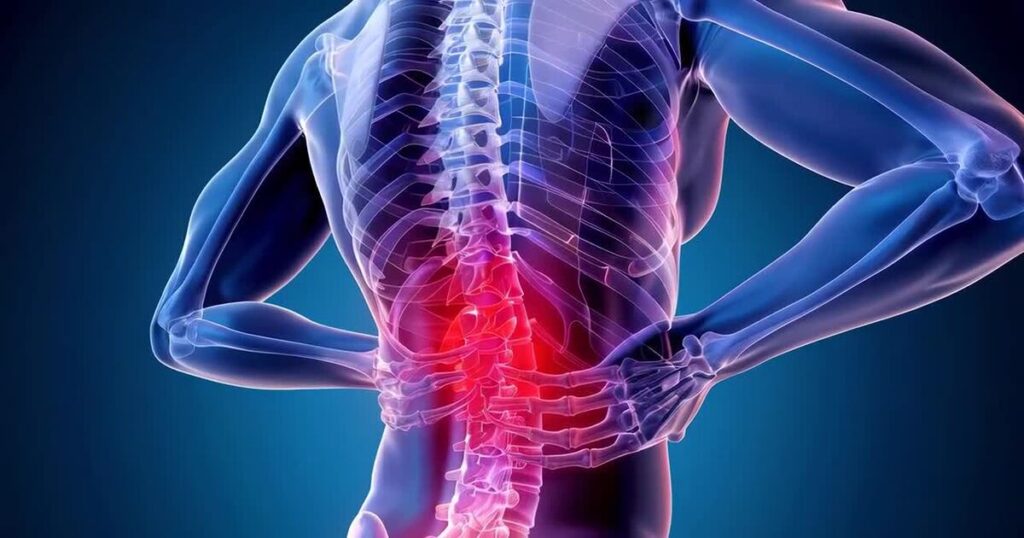
How Mechanical Problems Shape Lower Spine Pain
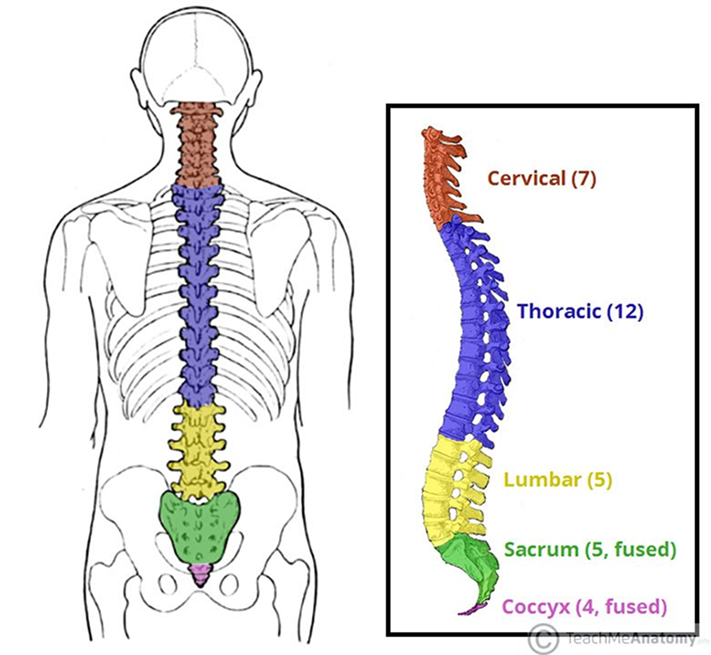
The lumbar spine is designed to move with support from the hips, pelvis and core. When one of those areas stops contributing well, the lower back does more than its share. That leads to irritation in the joints, tightening in the surrounding muscles and changes in the way the body loads each step or bend.
Lower back muscle pain often appears when the muscles are guarding to protect stiff joints. Joint-related lower spine pain happens when segments lose their natural glide. Understanding which pattern dominates is essential for proper lower back pain relief.
This is where chiropractic care can be helpful. It’s not just about adjustments; it’s about restoring normal mechanics so the lumbar region can work the way it was designed.
Dr. Stein’s Method for Evaluating and Treating Low Back Pain
- Gentle adjustments to restore mobility in restricted joints
- Focused soft-tissue work for tight or overactive back muscles
- Simple stability drills that rebuild support without strain
- Ergonomic and movement guidance to reduce daily stress on the spine

Who Typically Benefits From This Type of Care
Dr. Stein frequently works with people who have:
- Recurring low back pain throughout the year
- Pain from sports, lifting or long hours at a desk
- New episodes of lower back muscle pain from overuse
- Stiffness after sitting or standing too long
- Difficulty bending, rotating or getting up from the floor
- General lower spine pain with no clear injury
People searching for a chiropractor for lower back pain often choose this approach because it focuses on identifying and correcting the pattern driving the pain, not just reducing symptoms temporarily.
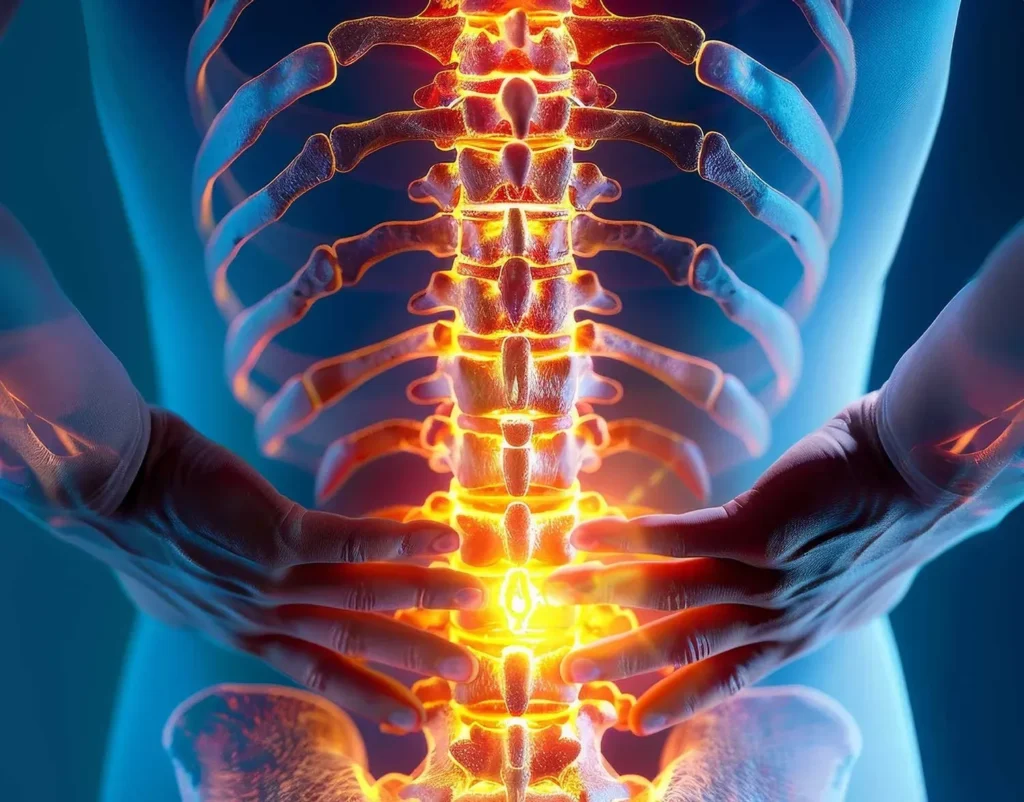
What You Can Expect During Care
The first visit includes a detailed conversation and a movement-focused exam. Dr. Stein looks at how you bend, rotate, walk and transition between positions. This reveals how the spine, hips and pelvis are sharing load.
Care begins once you understand what’s contributing to your pain. Early visits address mobility and muscle tension. As things improve, the focus shifts toward stability and controlled movement, helping prevent repeat flare-ups.
For some patients, chiropractor massage therapy or soft-tissue work is incorporated when the muscles are contributing heavily to the pain cycle. This is not used in place of treatment, but as a supportive tool.
FAQs
Can a chiropractor help with lower back pain?
Yes. Chiropractic care can help restore mobility, reduce muscle guarding and improve movement patterns contributing to pain.
Do you only adjust the spine?
No. Treatment may also include soft-tissue work and targeted exercises.
Is massage enough on its own?
Massage can help relieve short-term muscle tension, but chiropractic care addresses the mechanical issues behind persistent low back pain.
How long until I notice improvement?
Many patients feel early changes in mobility or comfort. Full improvement depends on how long the pain has been present and the underlying mechanical pattern.