
You have had headaches for as long as you can remember. Some days they are dull and nagging. Other days they stop you completely — lights are too bright, sounds are too loud, and all you can do is wait for it to pass. You have tried over-the-counter medication, prescription drugs, stress reduction, better sleep, dietary changes. Some things help temporarily. Nothing lasts.
What most chronic headache sufferers are never told is that there is a structural component to many recurring headaches that has nothing to do with dehydration, stress, or tension in isolation. It starts in the neck — specifically in the top two vertebrae of the cervical spine — and it is one of the most overlooked causes of persistent head pain in medicine today.
At Lifeline Chiropractic in Norristown, PA, Dr. James Stein has spent over 30 years identifying and correcting this structural root cause in chronic headache patients. Many of them had been managing their symptoms for years before discovering that a precise upper cervical correction was all that stood between them and lasting relief.
Why Headaches Keep Coming Back — The Cervical Spine Connection
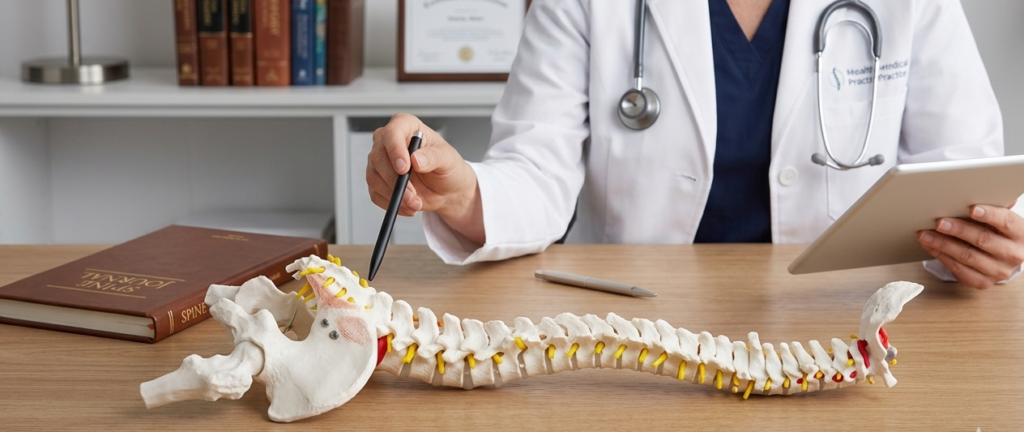
The cervical spine, particularly the upper portion consisting of the atlas (C1) and axis (C2) vertebrae, plays a central role in neurological function. These two bones sit at the junction between the brain and the body, surrounding and protecting the brainstem.
The brainstem governs pain processing, blood flow regulation, and nerve signal transmission throughout the head and face. When the atlas is even slightly out of alignment — a condition that often develops gradually from poor posture, a past injury, repetitive strain, or even the stress of daily life — it creates persistent mechanical pressure on the brainstem and surrounding nerve structures.
This pressure does not cause a single headache. It creates a state of chronic neurological irritation that manifests as recurring head pain. The headaches keep coming back because the structural problem causing them was never addressed. Medication masks the symptom. Rest provides temporary relief. But the misalignment remains, and so do the headaches.
This type of headache, rooted in cervical spine dysfunction, is known in medical literature as a cervicogenic headache. It is estimated to account for up to 20% of all chronic headaches, yet it remains underdiagnosed because standard imaging like MRI and CT scans often fail to detect the precise upper cervical misalignments that cause it.
What Cervicogenic Headaches Feel Like
Cervicogenic headaches have specific characteristics that distinguish them from tension headaches or migraines, though they can overlap and coexist. Common features include:
- Pain that starts at the base of the skull and radiates forward into the forehead, temple, or eye
- Headaches that worsen with certain head or neck movements
- Neck stiffness or restricted range of motion alongside head pain
- Headaches that are consistently one-sided, always affecting the same side
- Tenderness in the upper neck or suboccipital region when pressed
- Headaches triggered by sustained postures such as looking at a screen or sleeping in certain positions
- Associated dizziness, nausea, or sensitivity to light and sound
If any of these sound familiar, the source of your headaches may be structural rather than primarily vascular or tension-based. That distinction matters enormously because it changes the treatment approach entirely.
How Neuro-Focused Upper Cervical Chiropractic Addresses the Root Cause
Dr. Stein’s approach to chronic headache care is built on a principle that most headache treatments ignore: find the structural cause first, then correct it precisely. He describes this as neuro-focused upper cervical chiropractic — every assessment and correction is guided by its neurological impact, not just the mechanical position of the bones.
The process begins with a thorough patient history and neurological evaluation. For headache cases, Dr. Stein looks specifically at:
- The location, frequency, and pattern of headaches over time
- Any history of head or neck trauma, including car accidents, sports injuries, or falls — even from years ago
- Postural patterns and occupational factors that may be contributing to cervical strain
- Neurological signs that may suggest brainstem involvement
From there, specialized imaging is taken to measure the precise position of the atlas vertebra. This is not a routine X-ray. It is a targeted series of images designed to detect sub-millimeter misalignments that standard imaging misses. The measurements are used to calculate an individualized correction — nothing is estimated or generalized.
The correction itself uses the Atlas Orthogonal technique — a gentle, instrument-assisted adjustment that does not involve cracking, twisting, or forceful manipulation. A precision percussion instrument repositions the atlas with a light, calculated force. Most patients are surprised by how comfortable the process is and how quickly they begin to notice changes in their headache patterns.
What Headache Patients Experience at Lifeline Chiropractic
The improvements that chronic headache patients report after upper cervical correction tend to follow a consistent pattern. Within the first two to four weeks of care, many patients notice:
- A reduction in how frequently headaches occur
- A decrease in headache intensity when they do occur
- Shorter duration of headache episodes
- Reduced reliance on pain medication
- Improved neck mobility and reduced stiffness
- Better sleep quality and reduced overall fatigue
For patients who have been dealing with daily or near-daily headaches, the shift can be dramatic. Approximately 90% of Dr. Stein’s chronic headache and migraine patients experience meaningful, long-term improvement through upper cervical care. Patients regularly make the drive from Philadelphia, Montgomery County, and beyond because they are finally getting the relief they could not find elsewhere, despite having tried everything.
The Posture Connection — Why Modern Life Makes This Worse
One contributing factor that has made cervicogenic headaches increasingly common is the posture epidemic created by screens. The average person now spends six to eight hours a day looking at a phone, computer, or tablet. Every inch that the head moves forward from its neutral position over the spine adds significant load to the cervical vertebrae and the soft tissue structures that support them.
Over time, this forward head posture gradually shifts the atlas out of its optimal alignment, creating the same structural dysfunction that causes cervicogenic headaches in people with past injuries. The headaches feel like stress or tension — and they are partly that — but the underlying driver is structural, and posture correction alone is rarely enough to resolve it.
Dr. Stein addresses postural contributors as part of a comprehensive care plan that combines upper cervical corrections with posture-based guidance and, where appropriate, functional corrective nutrition to reduce systemic inflammation that can amplify pain sensitivity.
Frequently Asked Questions
Can a chiropractor help with chronic headaches near Philadelphia?
Yes. Dr. James Stein at Lifeline Chiropractic in Norristown, PA specializes in neuro-focused upper cervical chiropractic care for chronic and cervicogenic headaches. His Atlas Orthogonal approach corrects the structural misalignment in the upper neck that is often the overlooked root cause of recurring head pain. Call 610-630-9800 or visit drjsteinchiropractor.com.
How is cervicogenic headache different from migraine?
Cervicogenic headaches originate in the cervical spine and are caused by structural dysfunction in the upper neck. Migraines are a neurological condition involving vascular changes in the brain. However, the two often overlap — atlas misalignment can trigger both. Dr. Stein evaluates each patient individually to determine the primary driver of their head pain and the most appropriate treatment approach.
How many sessions does it take to see improvement in headaches?
Most patients begin to notice a reduction in headache frequency or intensity within the first two to four weeks of upper cervical care. The full course of improvement depends on how long the misalignment has been present and the patient’s overall health. Dr. Stein will give you a clear expectation during your initial consultation.
Is upper cervical chiropractic safe for people who have had headaches for years?
Yes. The Atlas Orthogonal technique is gentle and instrument-assisted with no cracking or forceful manipulation. It is appropriate even for patients who have been dealing with chronic headaches for years and who may be sensitive to touch or neck movement.
Schedule Your Headache Consultation at Lifeline Chiropractic in Norristown, PA
If you have been living with chronic headaches and have not found a lasting solution through medication or conventional treatment, a consultation with Dr. James Stein may be the step that changes everything. Lifeline Chiropractic is located at 2525 W Main St, Norristown, PA 19403, serving patients from Philadelphia, Montgomery County, King of Prussia, Blue Bell, Collegeville, Lansdale, and across the greater Philadelphia region. Call 610-630-9800 or request your appointment online at drjsteinchiropractor.com. Dr. Stein is currently accepting new patients.